

剧本角色
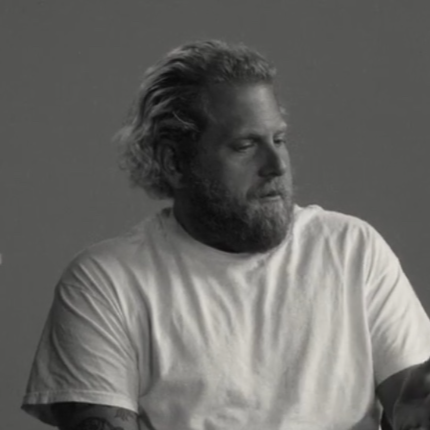
JONAH
男,0岁
这个角色非常的神秘,他的简介遗失在星辰大海~
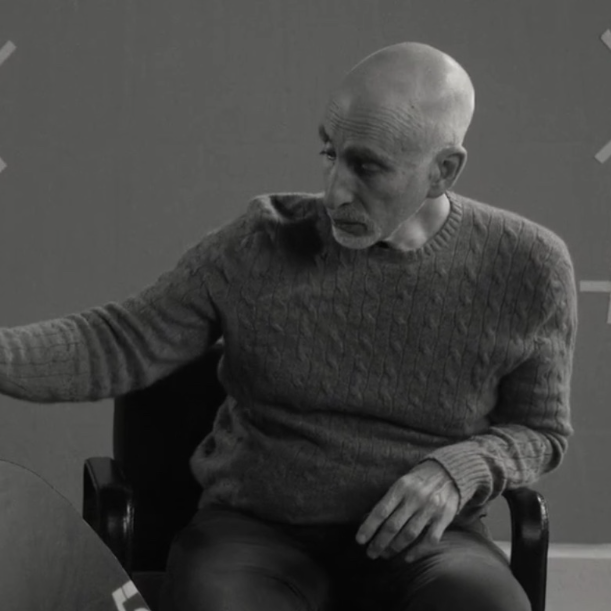
STUTZ
男,0岁
这个角色非常的神秘,他的简介遗失在星辰大海~

SHARON
女,0岁
Jonah的妈妈
施图茨的疗愈之道
编辑|整理|排版:🌿 香草女巫 🧪
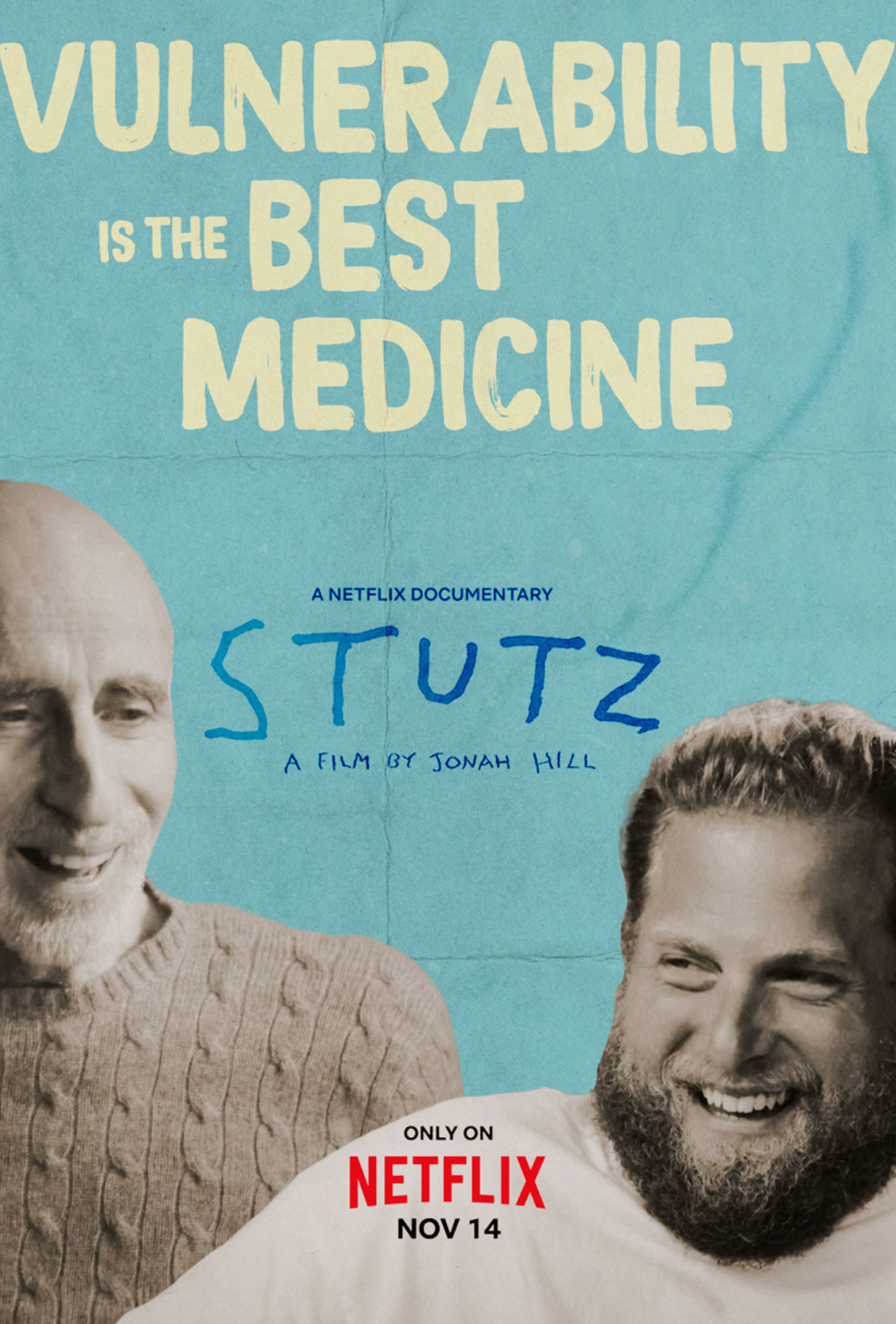
1. 走本提示 音效需手动播放&暂停;性别不限,日常对话感;可作读物本;原片时长约1h30mins;无音效提示处,如果觉得对话太干,可任用音乐1、2、3垫音。
2. 主要角色
【1】乔纳·希尔(Jonah Hill):敏感、自我反思、勇于面对过去,追求真实;
【2】菲尔·斯图茨(Phil Stutz):年长,语速较慢,幽默直接,有同理心。
【3】莎朗(Sharon):乔纳的妈妈,出场时间少,台词靠后,可两主角互搭台词。
3. 角色背景
【1】乔纳·希尔(Jonah Hill):美国演员、导演、编剧。因《点球成金》《华尔街之狼》两度提名奥斯卡最佳男配角。近年关注心理健康,执导的纪录片《施图茨的疗愈之道》于2022年上映,分享自身与焦虑症斗争的经历及心理咨询师菲尔·斯图茨的治疗工具。
【2】菲尔·斯图茨(Phil Stutz):美国精神科医生、作家,以开发实用心理治疗工具闻名。他是好莱坞最受追捧的心理医生,在他那里进行心理咨询的包括好莱坞里最顶尖的编剧、演员、制片和CEO们。与巴里·米歇尔斯合著《工具》《复原:情绪陷阱逃离指南》等系列书籍,提出“生命力金字塔”“Part X”等概念,帮助患者应对心理障碍。其方法受好莱坞从业者推崇,因与乔纳·希尔的合作纪录片广受关注,主张通过行动与自我觉察实现疗愈。
©️版权归Strong Baby Production所有,仅作走本使用,有删减。禁止转载。

(诊疗室,Jonah走进)
JONAH:What's up, Stutz?
STUTZ:Hi, Jonah. (Jonah在Stutz对面坐下)Okay, entertain me.(both laugh)
JONAH:That's actually what you say when I sit down.
STUTZ:Yeah, It's what I say to everybody.
JONAH:Yeah, when we have a therapy session that's not filmed for a movie.(Stutz laughs) The... the other thing you... you say that always cracks me up, which is great, is, "You better not come in here and dump all your shit on me."
STUTZ:(chuckles)No, yeah, you know, you've been dumping it on me for years, and I'm tired.
JONAH:(chuckles)Well, here we are. Why do you think I'm making this movie about you?
STUTZ:I think it's... it's my ideas. I... I think my ideas had an effect on you, and I think you wanted to expose other people to the ideas. And maybe... I don't know, maybe it's just an attempt to gain control over me, or... (Jonah laughs) I'm not sure. Why did you?
JONAH:Yeah, I have decided to make this because I want to present your tools and the teachings of you, Phil Stutz, my therapist, in a way that allows people to access them and use them to make their own life better. So I thought we would just film one session in one day and cover some of your tools that have been most helpful for me in my life.
STUTZ:I think that's good.
JONAH:And do it in a way that also honors, um, the life of somebody that I deeply care about and respect.
STUTZ:Okay. But can you be funny once in a while? Just...
(Jonah laughs)
▶️ Opening music
(音乐声变小就入)
JONAH:What's usually the first question you ask a new patient?
STUTZ:The first thing I ask them is, "What do you want? Why are you here?" The average shrink will say, "Don't intrude on the patient's process. They will come up with the answers when they're ready." That sucks. That's not acceptable. When I got into psychiatry, the model was, "I'm neutral." "I'm just watching. I have no dog in this fight." It was a very slow process, and there was a lot of suffering. You know me, my reaction will be, "Then go fuck yourself. Are you kidding me?" (Jonah laughs) If I'm dealing with someone with depression like that, who's afraid won't recover? I say, "Do what the fuck I tell you. Do exactly what I tell you. I guarantee you'll feel better. Guarantee, 100%. It's on me."
JONAH:When I walked into your office, we sat down, and you were just like, "Here's what you should do." You gave me some form of action. You gave me a tool.
STUTZ:Yeah, it's... it's imperative. I wanted speed in this. Not speed to cure somebody in a week. That's impossible. But I wanted them to feel some change, some forward motion. It gives them hope. It's like, "Oh, shit, that's actually possible."
JONAH:So what are the tools?
STUTZ:A tool is something that can change your state, your inner state, immediately, in real time. It takes an experience that's normally unpleasant, then it turns it into an opportunity.
JONAH:Tools change your mood and then just give you a sense of hope that… that won't be your mood forever.
STUTZ:That's correct.
JONAH:It's basically a real-time visualization exercise you do in your head at that moment.
STUTZ:Yeah. So in that sense, I'm a teacher. I'm teaching the person how to use it and also teach them when to do it.
JONAH:All of your patients, myself included, we have all these note cards. (Stutz 哈哈笑)And they're drawings of the tools that you do in our sessions that we take home and keep.
STUTZ:I tend to think in visual terms. So I started drawing these cards really for myself, but it helped the patients tremendously. The power of the cards is that they turn big ideas into simple images. It was a way of communicating with the patient that I actually felt was more powerful than using words. The moment they take out the card, there's a connection between the two of us. There's a bond.
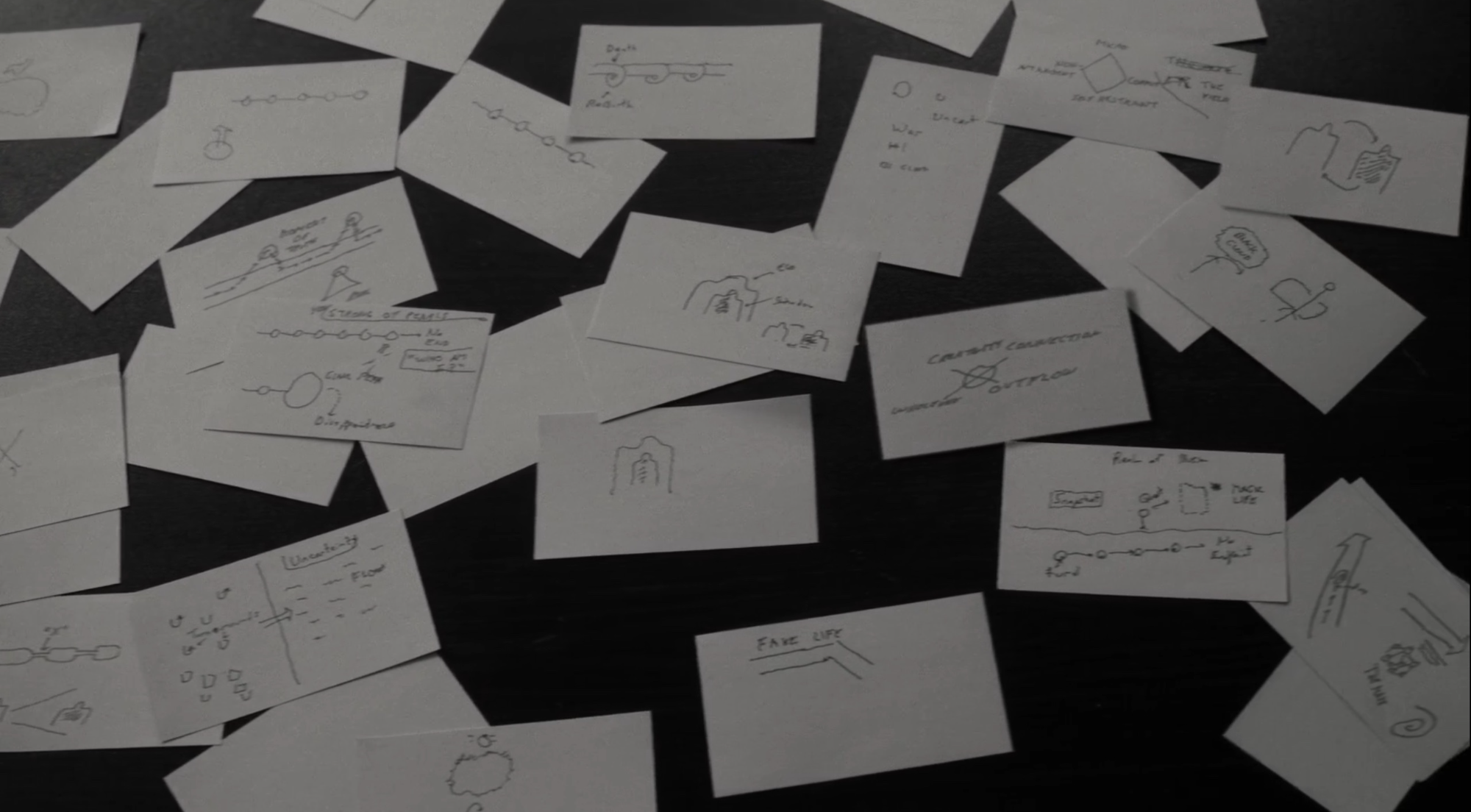
JONAH:Yeah, we have a uniquely personal relationship. So much so that you're letting me make a film about you. That is something I've never experienced in the therapeutic[ˌθerəˈpjutɪk] world. And, ultimately, my life has gotten immeasurably better as a result of working with you, and so, if it worked for me, maybe it will work for other people.
2:35 音效:iPhone闹钟响
STUTZ:Um...
JONAH:Oh, yeah. Time for medicine.
STUTZ:(没听清)Time for what?
JONAH:(提醒)Time to take your medicine.
STUTZ:Oh, thanks.
JONAH:The alarm went off.
(Stutz拿出一盒药,但药片掉地上了)
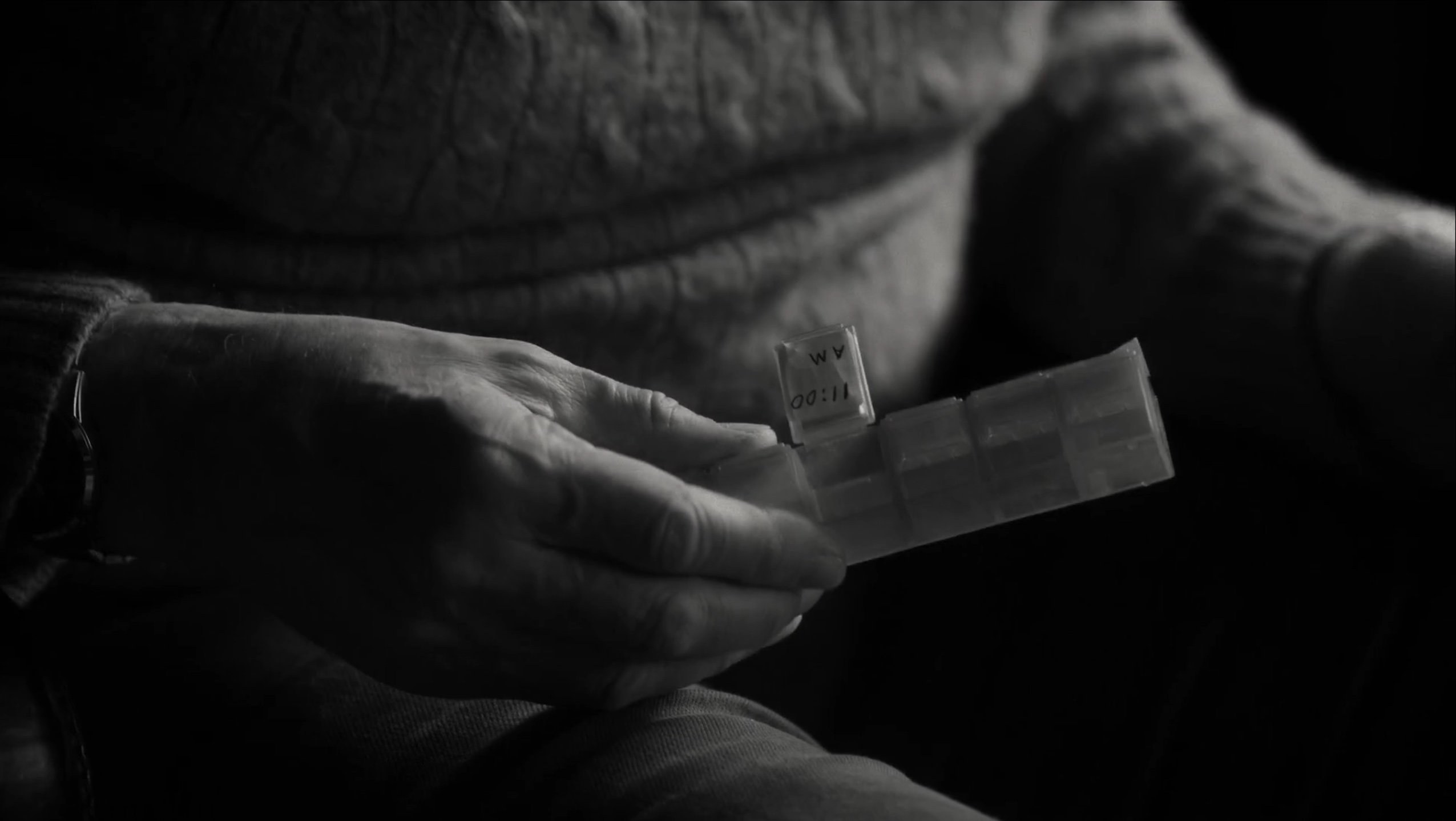
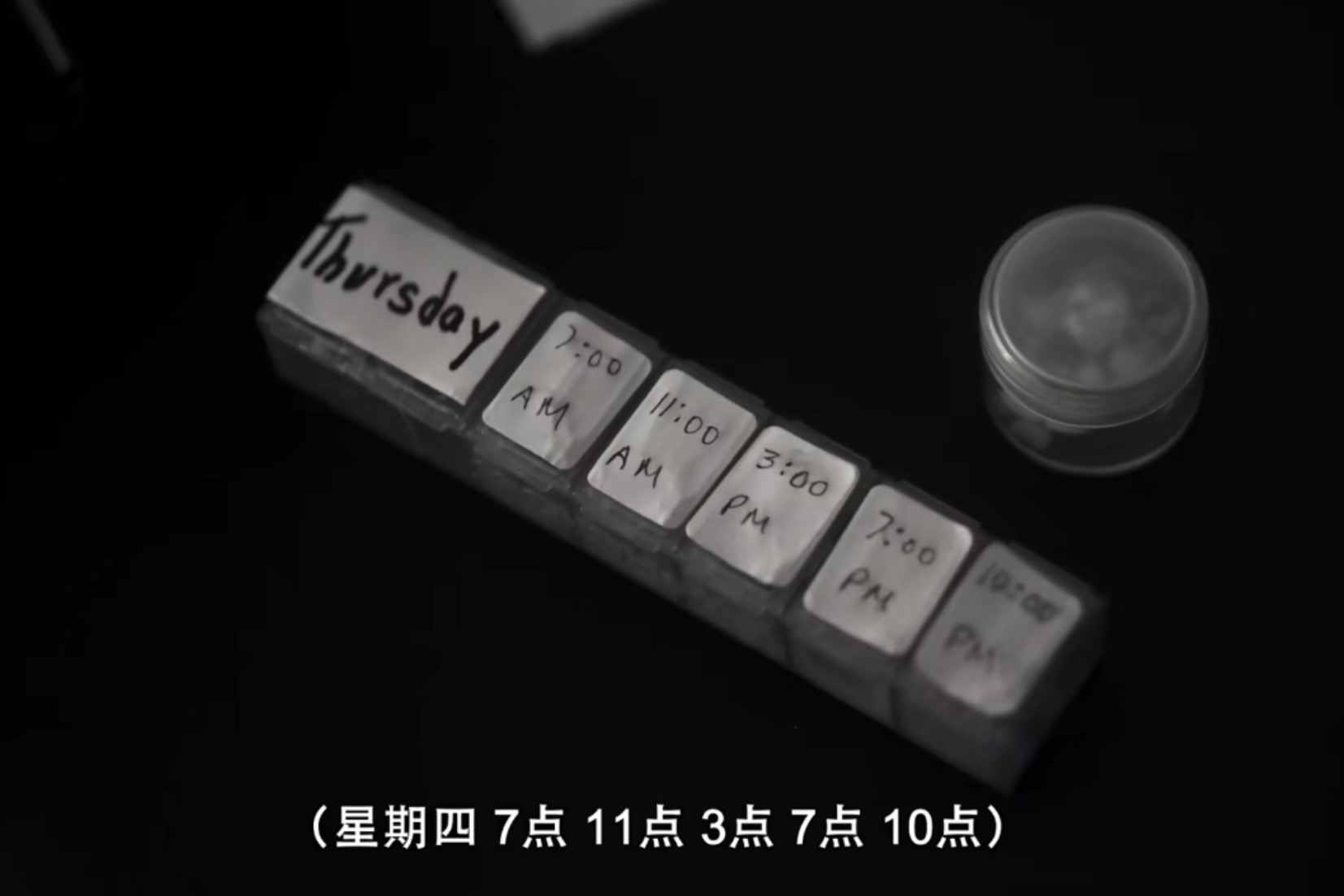
STUTZ:Oh, shit. (开玩笑)Jonah, you want to do some Parkinson's(帕金森) drugs with me?
JONAH:(laughs)I kicked the stuff years ago, man.
STUTZ:You know, when I was a kid, when I was using drugs, if you ever told me, " years hence you'd be taking (laughs) all this medicine..."
JONAH:So that's all medicine for your Parkinson's?
STUTZ:Yeah. With Parkinson's, the biggest thing is, and there's something good about this, you have to preplan a lot of little things. When I have to get out of bed, I have to go through contortions(躯体、面部等的扭曲) to get out of the bed.
JONAH:The hardest thing for me in life is getting out of bed in the morning. But for very different reasons.
STUTZ:For different... (chuckles) Yeah.
JONAH:So, before meeting you, my experience with therapy was very traditional in the sense of I would be talking and the person would say, "How does that feel?" or…
STUTZ:(紧接着)Or?
JONAH:Or "Interesting." (laughs) Basically keeping me at a massive distance.
STUTZ:Yeah.
JONAH:And I was thinking about how, in traditional therapy, you're paying this person, and you save all of your problems for them, and they just listen, and your friends, who are idiots, give you advice.
STUTZ:Yes.
JONAH:Unsolicited.(不请自来,未经同意的)
STUTZ:Yes.
JONAH:And you want your friends just to listen.(Stutz laughs) And you want your therapist to give you advice.
STUTZ:Here's the thing. The shrinks, it's not that they don't want to help you. It's really not. But for me, I always felt there was something missing. So a tool is a bridge between what you realize the problem is and the cause of the problem to over here, actually gaining at least some control over the symptom. It all has to do with possibility. And not a bullshit definition of possibility. Possibility means you feel yourself reacting differently. It sounds, um... What do you call it? Trite.(老生常谈,陈词滥调) But it's actually the truth.
▶️ 音乐1
JONAH:One of the first things you got me working on was my life force. That was such an immediate thing that can change your life and something that I think anyone can easily latch onto.(掌握,理解,对…有兴趣)And it was the first step for me in beginning the process of getting better.
STUTZ:Yeah, that's correct. Here's the classic thing that happens. A guy's depressed, he comes into my office, and he says, "I know my habits are shit. I... I... I know I'm undisciplined. I know I'm lazy. But if I only knew what I was supposed to be doing, what my mission was in life, essentially, I'd be like I was shot out of a gun. But I don't know what I'm supposed to be doing, so I'm just gonna be lazy and do nothing." Then, from that, obviously comes the depression. There's something that... that will apply to you and to anybody else who doesn't have a sense of direction or doesn't know what they should do next, and the answer is, you can always work on your life force.
STUTZ:The only way to find out what you should be doing, like who you are, is to activate your life force, because your life force is the only part of you that actually is capable of guiding you when you're lost. If you think of it as a pyramid, there's three levels of the life force. The bottom level is your relationship with your physical body. The second layer is your relationship with other people. And the highest level is your relationship with yourself.
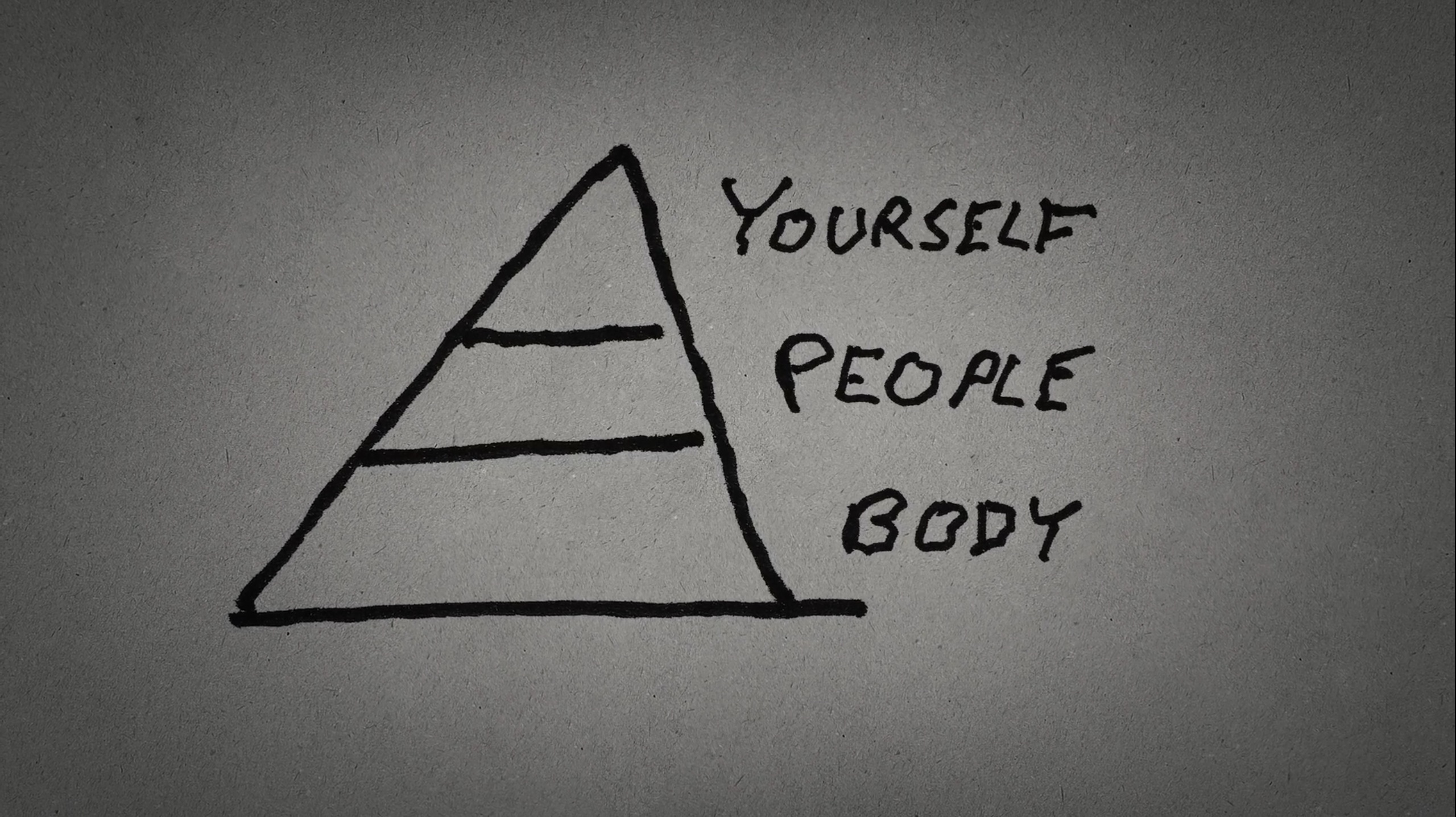
STUTZ:The bottom step is your relationship to your physical body. All you gotta do is get your body working better, and it always works. The most classic thing is they're not exercising. Diet is another one, and sleeping.
JONAH:So what percentage of that stuff is what makes you actually feel better at first?
STUTZ:Well, when it starts out, it's probably 85%. It's very high.
JONAH:How fucking crazy is that? When I was a kid, exercise and diet was framed to me in like, "There's something wrong with how you look." But never once was exercise or diet propositioned to me in terms of mental health. I just wish that was presented to people differently.
STUTZ:Yeah.
JONAH:Because, for me, that caused a lot of problems and even problems with me and my mom. I really met her, like, with an attitude of, "fuck you, I don't want to do that, because you're saying there's something wrong with me."
STUTZ:Yeah? Explain that.
JONAH:Um, I can, but I'm not gonna go into it, 'cause this movie is about you, not me.
STUTZ:But what if I said the more you elaborate on it, the easier it's gonna be for me to take some chances. Did you ever think of it like that?
JONAH:I would say you should make a movie about me, instead of me making a movie about you.
(both laugh)
STUTZ:Yeah, that's a good one.
STUTZ:Okay. So that's the first level. The next one is your relationship to other people, 'cause when people get depressed, it's not that they end their relationships. It's like a ship disappearing over the horizon. They start to get pulled back, away from their life, and relationships are like- You know those things when you're climbing a mountain, pounding those pitons(岩钉), it's like a handhold. So your relationships are like handholds to let yourself get pulled back into life. The key of it is you have to take the initiative. If you're waiting for them to the take the initiative, you don't understand. You could invite somebody out to lunch that you don't find interesting, it doesn't matter, it will affect you anyway, in a positive way. That person represents the whole human race, symbolically.
STUTZ:So that's the middle tier, and the highest tier is your relationship with yourself. The best way to say it is to get yourself in a relationship with your unconscious, because nobody knows what's in their unconscious unless they activate it. And one trick about this is writing. It's really a magical thing. You enhance your relationship with yourself by writing. Some people say, "Well, write what?" "I'm not interesting. I'm not a writer." It doesn't matter. If you start to write, the writing is like a mirror. It reflects what's going on in your unconscious, and things will come out if you write in journal form that you didn't know that you knew.
STUTZ:These are the three levels of the life force. If you're lost, don't try to figure it out. Let it go and work on your life force first. It's about passion. Increasing your life force so you can find out what you're really passionate about. But step one is to be passionate about connecting to your own life force, and anybody can do that.
JONAH:If I just do that pyramid, everything else seems to fall into place(水到渠成)?
STUTZ:It will. Everything else will fall in place.
JONAH:So how do you come up with this stuff?
STUTZ:Well, I once had a supervisor - I was very young. I didn't even have my own practice yet. I'm talking to people about what happened years ago in their life or what was the cause of their problem. They would walk out the same way they walked in, feeling like shit and basically hopeless. So I said to him, "Is there anything we can do so that they can feel better, feel something at least, sooner?" And the guy... (chuckles) The guy says to me, "Don't you dare," he says. It was like somebody who fundamentally didn't understand the human condition. I said, "Wait a minute, we have to do something right at the moment." It doesn't have to solve all their problems, but you have to give somebody the feeling that they can change right now. I didn't want people walking out of my office with nothing.
JONAH:Did you ever worry, with that strategy, you'd give them the wrong piece of action?
STUTZ:No. In this area, as I always say, I'm just a regular person, nothing unusual, except for this. I zoom in on you, and I block out everything else. Since I was a little kid, people have always walked up to me and told me their problems. A little kid. I would be ten years old, and a grown man would come up to me. Most of them I didn't even know. They're just pouring their hearts out. Who knows where that comes from.
▶️ 音乐2
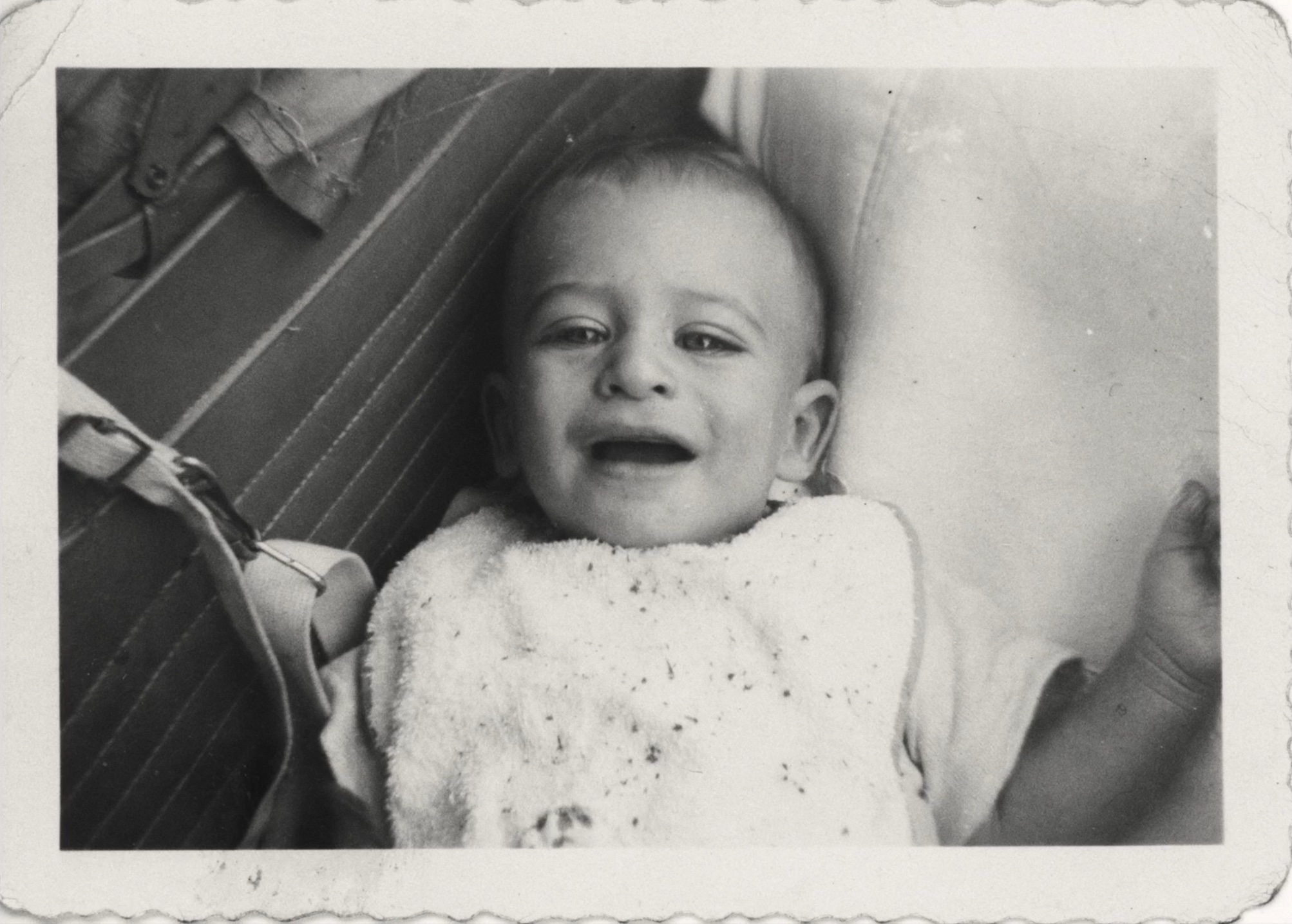
baby Stutz
STUTZ:I was in the Bronx till I was five. Then we moved down to Manhattan.
JONAH:Where in Manhattan did you move?
STUTZ:The first place was 78th and Broadway. 215 West 78th Street. It was regular, middle-class, working people. My father was a very nice guy. He was loud, opinionated. He loved to entertain. If it was up to him, he would have people over to the house every single night, and she hated it. My mother told me, she said, on a beautiful sunny day in the Bronx, a trillion kids out playing in the streets, she told me her favorite thing was to stay indoors and read a book. Her thing was, "Stay off my case. Stay away from me." "I want to get lost in this book because life is too painful." "I don't wanna deal with life. I wanna deal with this book." So you can see these two people, there was big problems.
JONAH:What time period? The 50's or…?
STUTZ:Yeah. That was, like, uh... '56. It's probably... Let's see, he-- When did he die?
(Stutz陷入思考)
JONAH:What was your brother's name who passed away?
STUTZ:His name was Eddie. The one that died, yeah. They knew immediately. It was a certain kind of tumor that has a certain kind of rash(皮疹), I think. The doctor, he told me years later, he said he knew the moment he walked into the room what it was. But my parents didn't tell us. It was a mistake.
JONAH:How old are you when he dies? You're nine?
STUTZ:Yeah, I was nine. Yeah.
JONAH:And he was three?
STUTZ:He was three, yeah. (slient) I would go into the bathroom. I remember, I'd put one foot up on the toilet bowl, like I was some kind of a medieval knight or something, and I talked to God, and I said to God, "If you let him live, I will believe in you." "If you don't, I won't." Obviously, I had to overcome that. Any time I'm in New York, I try to go past that building. I like to stand in the spot where we were standing when my father came up to us. My mother gets out of the cab and just walks right into the building and takes the elevator upstairs. She didn't even look at us. Seriously, I asked my mother, "Can I go back to school?" And she said, "Yeah, you can do anything you want." And I did. And I think that was part of my denial. Everybody was moving quickly to deny what was happening.
▶️ 音乐3
STUTZ:Everybody was avidly not accepting what was going on. That was Part X. Part X was in my mind before I understood any of this.
JONAH:Part X is such a major part of understanding how your tools work, so I wanted to talk about that.
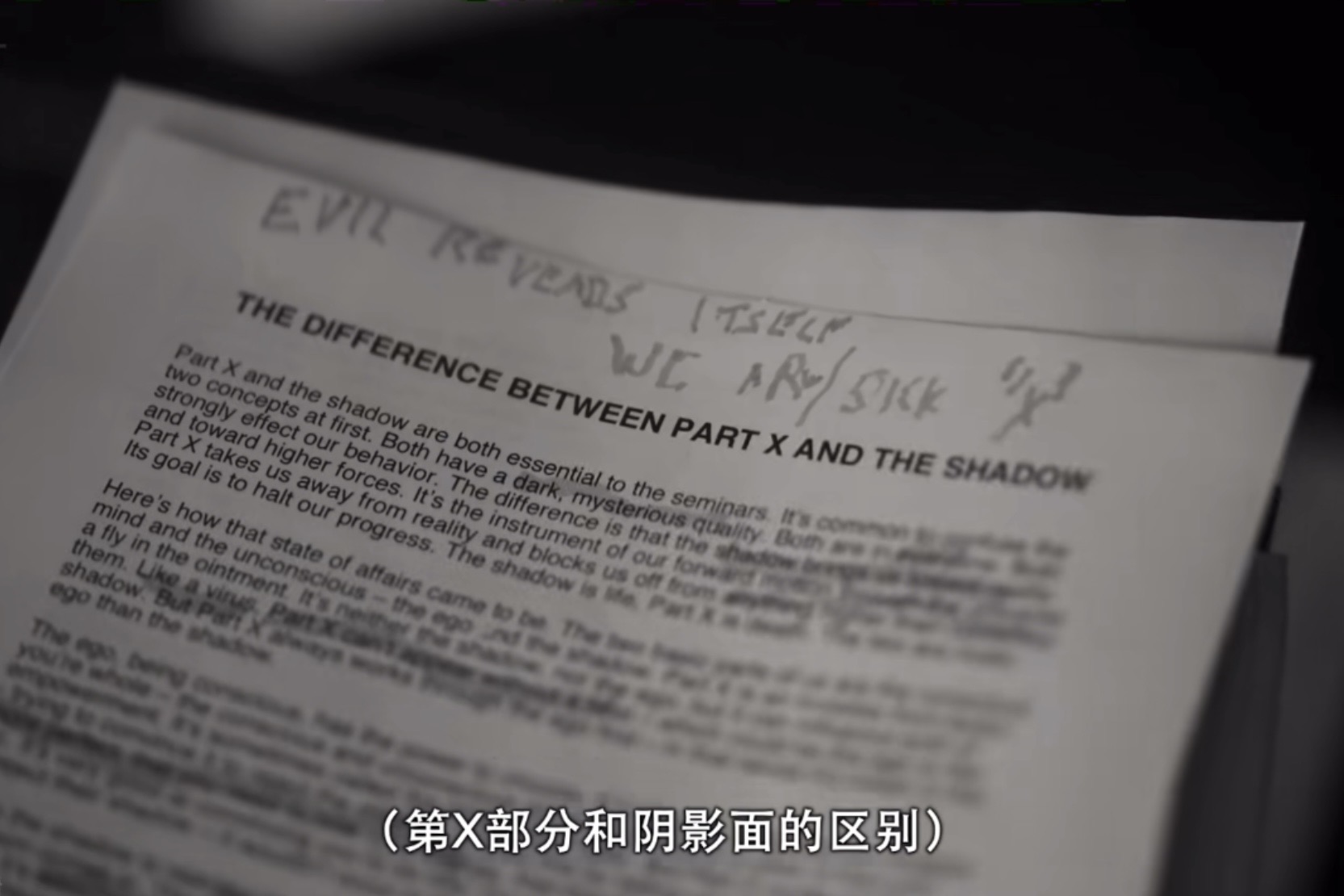
STUTZ:So, when adversity comes, it's an opportunity for you to-- At that moment, you're gonna face Part X directly. Part X is the judgmental part of you, the antisocial part of you. It's an invisible... force that wants to keep you from changing or growing. It wants to block your evolution. It wants to block your potential. It wants to fuck up your shit.
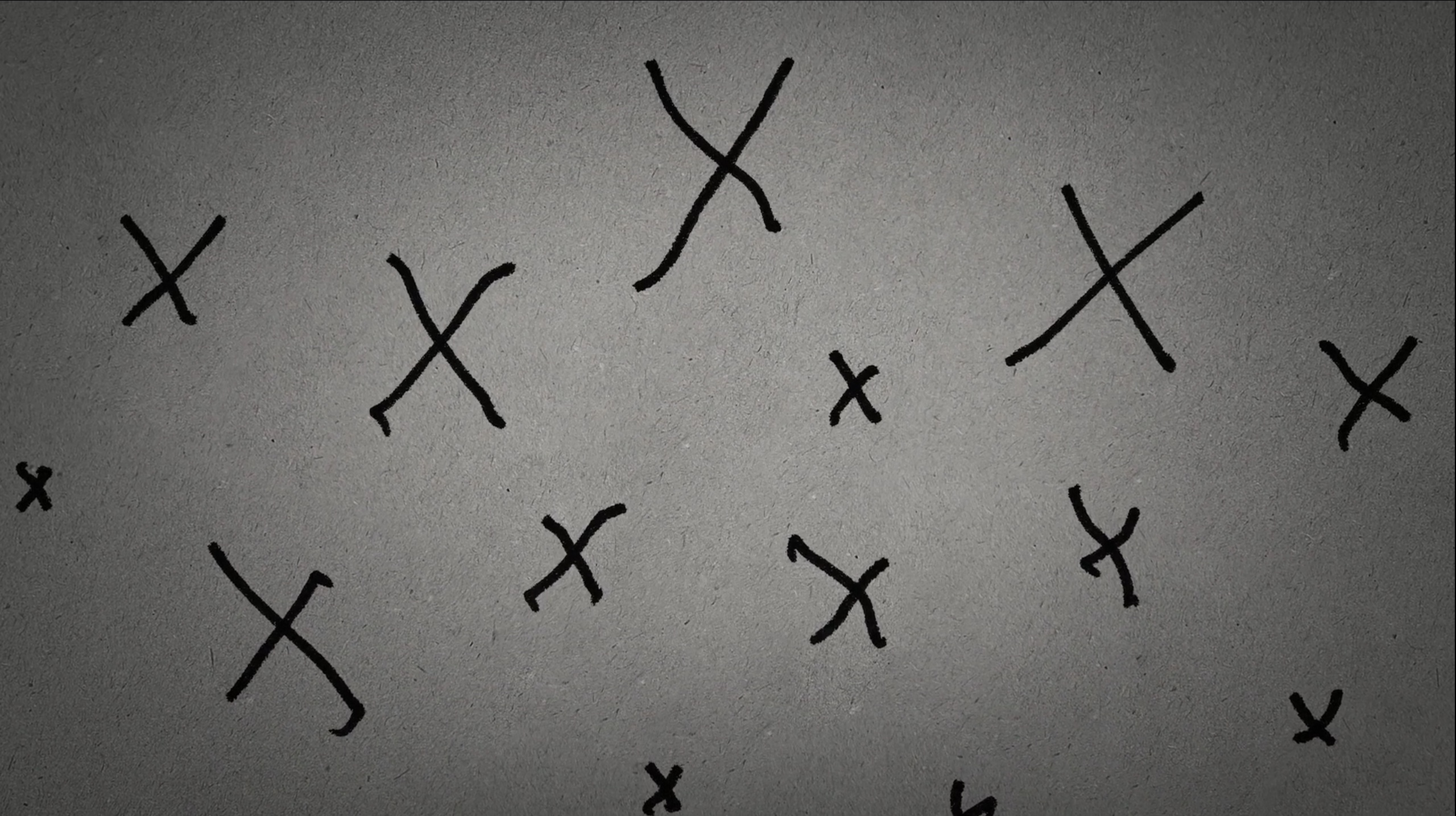
JONAH:So Part X would be the villain in the story of being a person. And the tools are what the hero on the journey can use to fight the villain.
STUTZ:Yes. Part X is the voice of impossibility. Whatever it is you think you need to do, it's gonna tell you that's impossible. "Give up." It gives you a very specific dossier about who you are, what you're capable of. And it creates this, like, primal fear in human beings.
JONAH:What does your Part X say to you?
STUTZ:It makes me feel like I'm wasting time. It tells me I've invented all this stuff, and the stuff is great, I'm very confident, but it'll never… It won't spread deeply enough into the culture.
JONAH:So how can people get rid of Part X?
STUTZ:You can't. You can defeat him temporarily, but he's always gonna keep coming back. That's why you have three aspects of reality that nobody gets to avoid. Pain, uncertainty, and constant work.
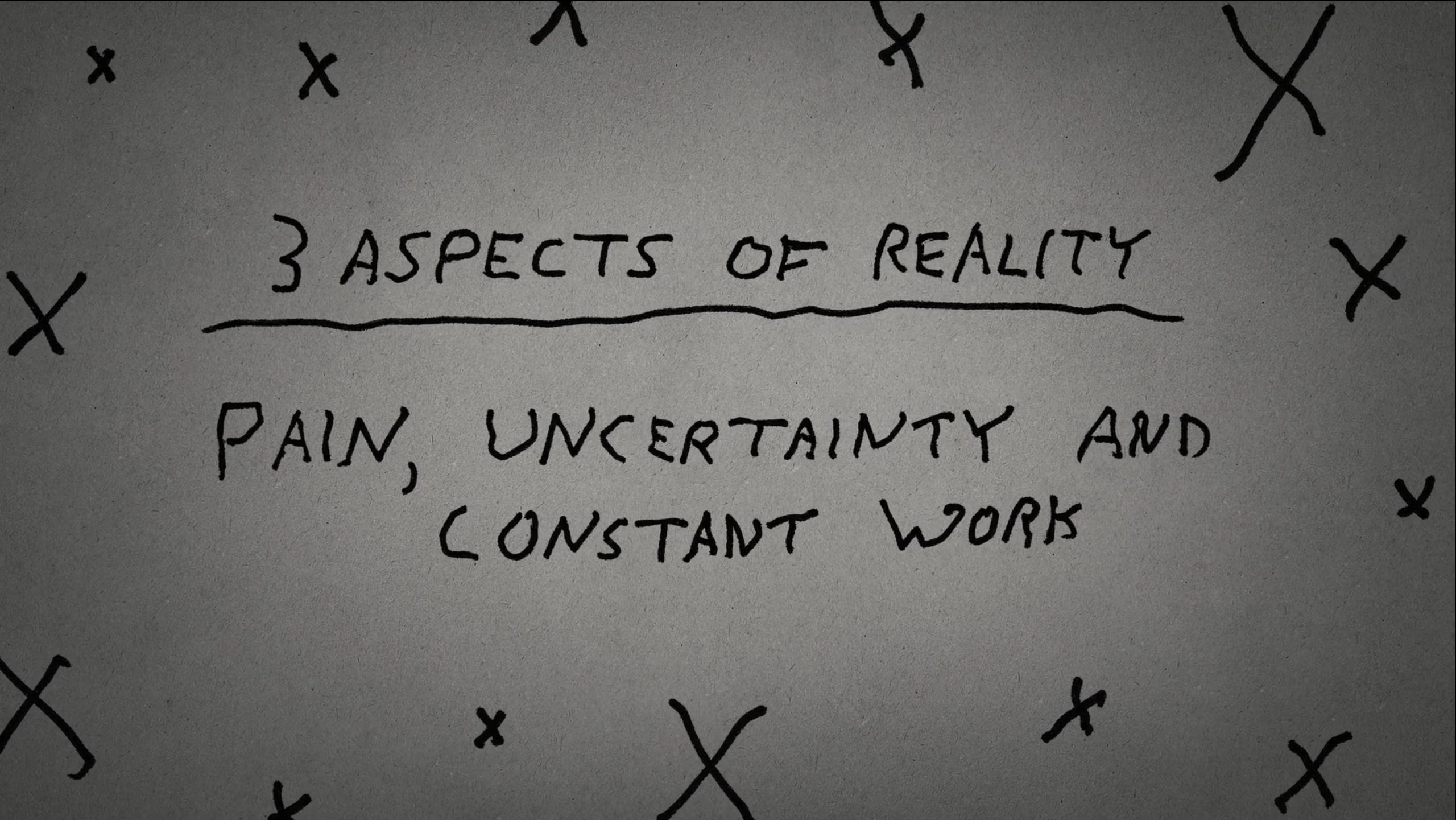
STUTZ:So those are things you're just gonna have to live with, no matter what. If it did work like that, if you could banish Part X, then there'd be no further progress.
JONAH:So if this is a story, the main character needs Part X, needs the villain, because if the main character doesn't have to overcome a villain, there's no story.
STUTZ:Right.
JONAH:There's no growth. There's no change. There's no bravery. There's no courageousness. We need the negativity of Part X, or else we don't grow.
STUTZ:Yeah, that's correct. It doesn't mean you can't, um, work very hard at a goal. It doesn't mean you can't succeed. But if you wanna be happy-- 'Cause that won't make you happy. What will make you happy is the process. You have to learn how to love the process of dealing with those three things. That's where the tools come in. When it appears, you can identify it, and then, you can use a tool on it to nullify it.
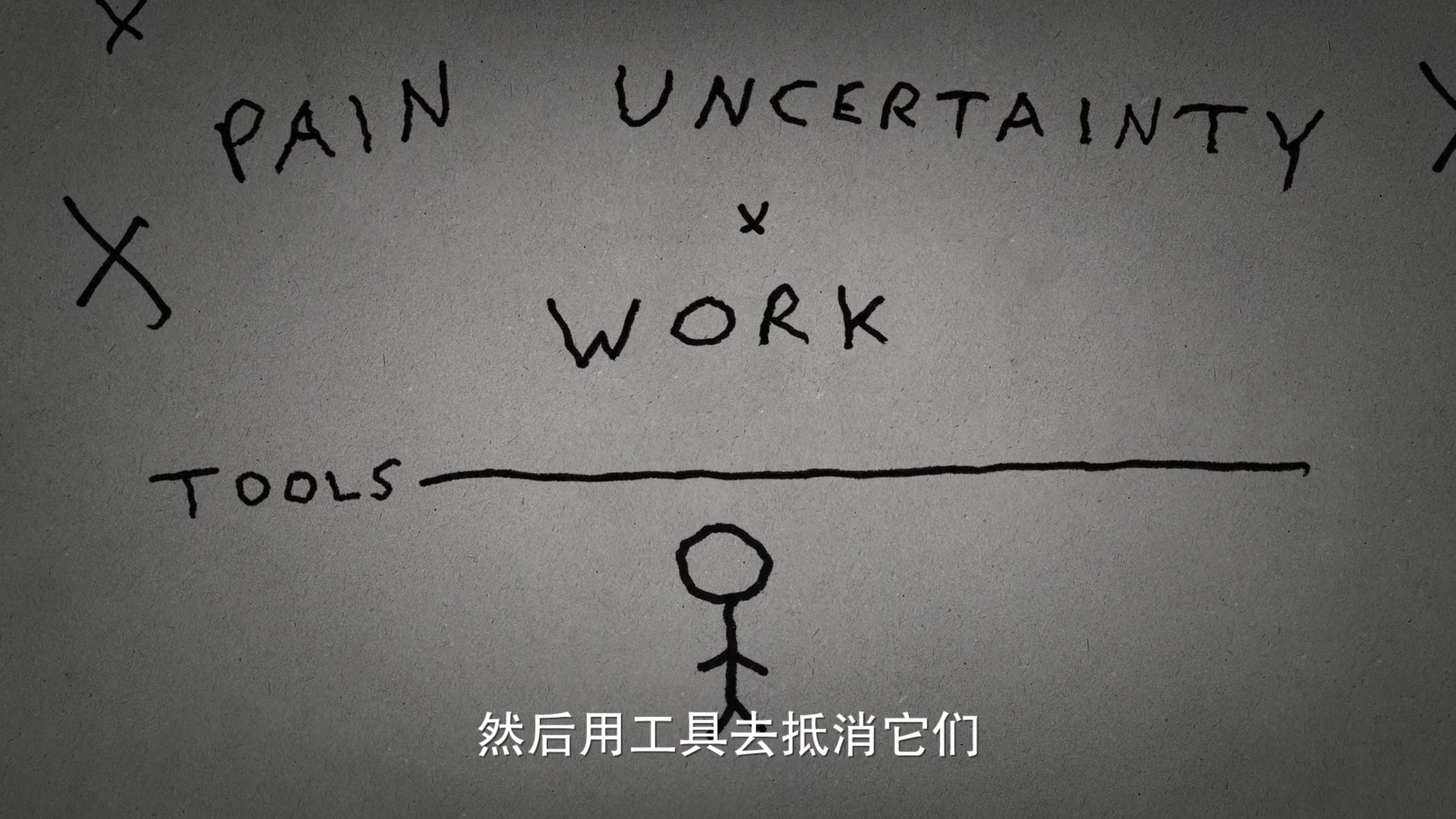
STUTZ:If you can teach somebody to do that, they can change their whole life. Because the highest creative expression for a human being is to be able to create something new right in the face of adversity, and the worse the adversity, the greater the opportunity.
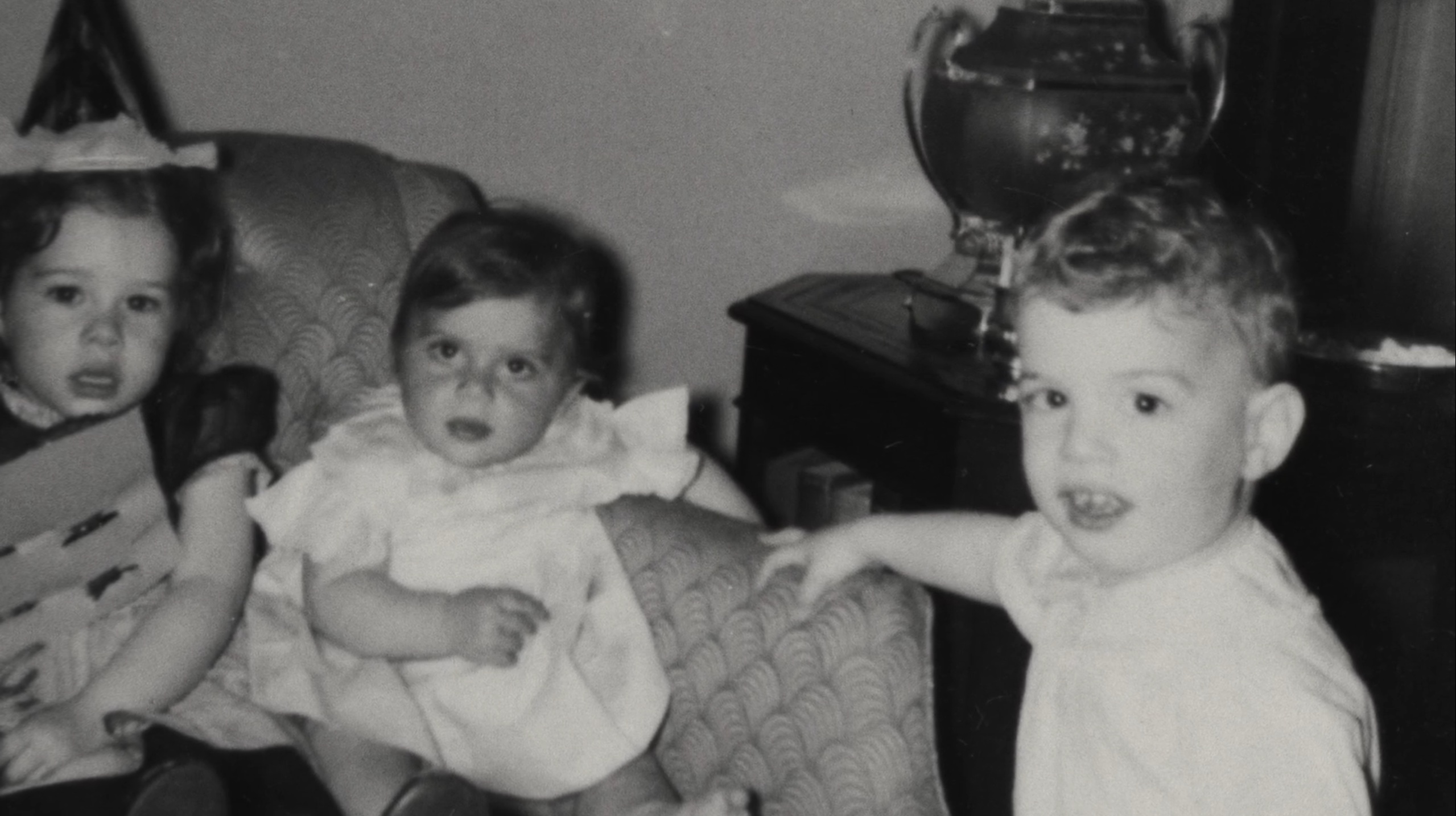
Stutz的弟弟(右一)
STUTZ:Finding out that he'd died was like... It was like discovering a new world. And I said, "Wow, that could happen to me? I'm just a kid." That was one of the biggest effects it had on me, besides the fact that my parents collapsed. They couldn't quite function as parents emotionally. They just couldn't do it.
JONAH:Do you... Can you blame them?
STUTZ:No, I've never blamed them for that. Thank God. Yeah. It changed my whole life, because everything had a double meaning. If I'd go to play softball or something and I had a time to be back for dinner, if I was like-- I swear, if I was one minute late, they would just go nuts. Childhood was over. Everything was serious. You didn't want to fuck it up.
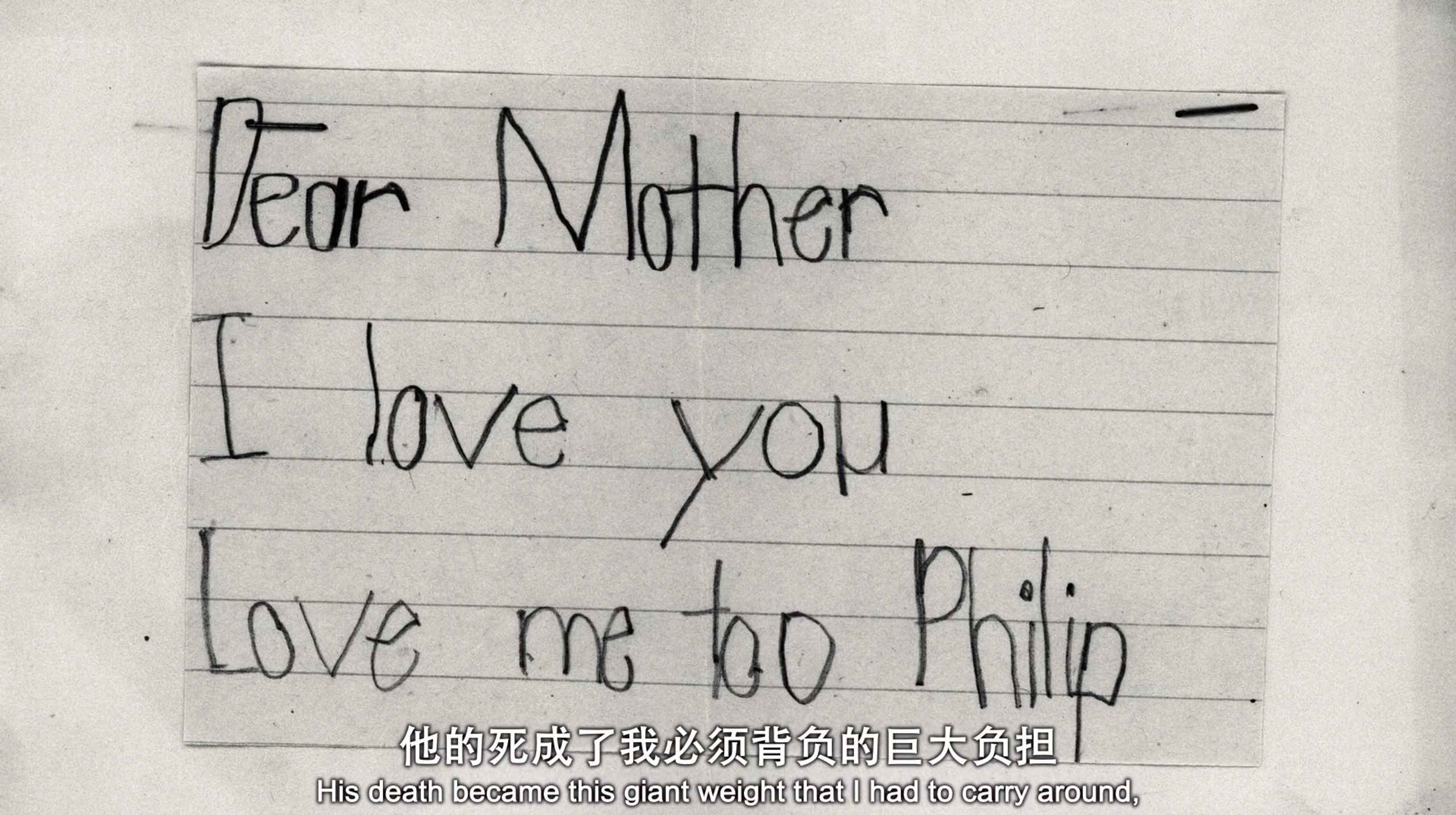
STUTZ:His death became this giant weight that I had to carry around, but nobody would admit the fucking weight was there. I'll never forget this. A friend of mine, he was badly hurt. So I went with my father to visit him in the hospital, and on the way out, my father turns around, and he says, "That's the only profession." Meaning, "If you do anything else but become a doctor, you're persona non grata(不受欢迎的人) over here." "I love you, but if you don't become a doctor, I'll never respect you." He and my mother were both atheists, so they had nothing to fall back on. It was a fight against death, and if I didn't join the fight, the whole family was gonna fall apart.
JONAH:Right, so you had a responsibility to satiate their nerves and anxiety. You became their therapist.
STUTZ:That's right. That's exactly right. So they had nothing in terms of, uh...
JONAH:Faith?
STUTZ:Yeah, in terms of that would support them in having any faith. They only had one thing that could lead to faith, and that was me. You see how these things get passed down. And I... I tried my best. Total failure, obviously. (自嘲笑) I... I... I guess I did do one thing. I became a doctor. So, um... So at least maybe something constructive came out of it. Beginning to see patients was like a joke for me. It was just a change of venue. I had done it so much. And I wasn't bad at it, even when I was 12.
JONAH:Hmm.
STUTZ:Yeah. (沉默,突然开玩笑)Hey, are we gonna continue these sessions a few times a week where I'm the patient? (chuckles)(Jonah laughs)It'd be nice if you answered more of these questions. In fact, it would be nice if you answered even one of them.
JONAH:(低头思考)Um...
STUTZ:We talked about my brother. Can we talk about yours? It must have stirred up something in you.
JONAH:Well... Hmm. (沉默,思考了很久) No, I-- No, we're not gonna get into that, um...
STUTZ:Okay. I think I should take a break. What time—(看手表)Oh, shit. Huh.
JONAH:Yeah.
STUTZ:Yeah.
JONAH:Dude, that was amazing. I feel fried.
STUTZ:Yeah, you know, I told you to ask easier questions. It’s on you.(Jonah laughs)Do you want my notes on your directing or acting?
JONAH:(laughs out loud)Save it for my session.
▶️ 音乐4
(听会儿音乐)
(Jonah exhales deeply)